If you’ve come across Veganizoo and aren’t quite sure what it is, you’re not alone. Many people searching for this website are trying to understand whether it’s a legitimate vegan resource, a plant-based product site, or something else entirely. With limited online recognition and not much information readily available, it’s perfectly natural to feel uncertain about what Veganizoo offers and whether it’s worth exploring.
This article takes a clear look at what Veganizoo appears to be, the type of content or services it provides, and whether you should trust it for your vegan and plant-based lifestyle needs.
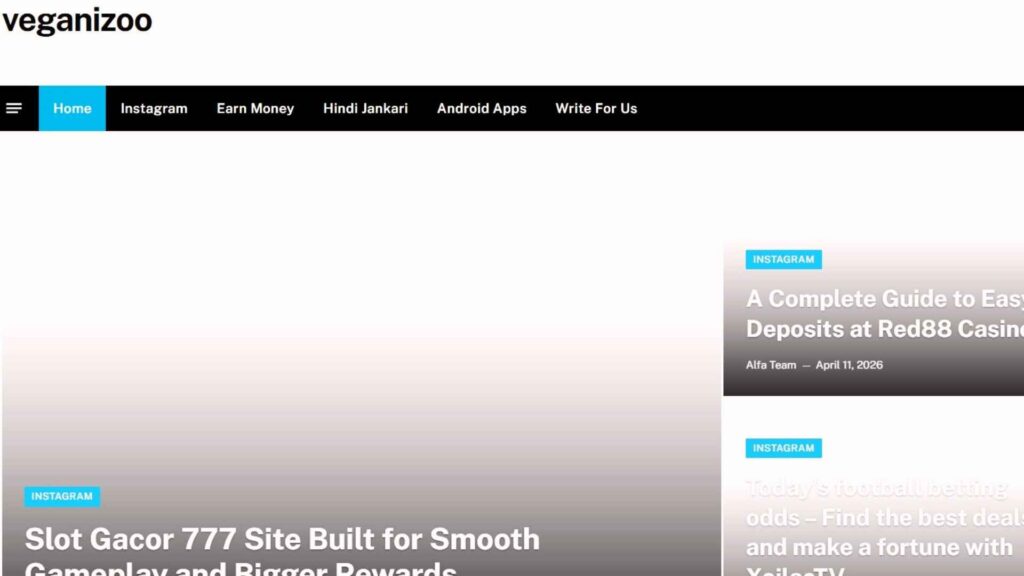
Understanding Veganizoo
Veganizoo presents itself as a vegan-focused platform, with the name suggesting a comprehensive resource or “zoo” of vegan information, products, or content. The playful name implies it might serve as a collection or hub for various aspects of vegan living—potentially covering recipes, products, lifestyle tips, or community resources.
From what’s observable, the website seems aimed at people interested in veganism, plant-based diets, animal-free products, or sustainable living. It’s the kind of site you might encounter while searching for vegan recipes, cruelty-free products, plant-based nutrition information, or general guidance on adopting or maintaining a vegan lifestyle.
The platform appears designed for everyday consumers rather than nutritionists, professional chefs, or academic researchers. If you’re looking for accessible vegan content, beginner-friendly recipes, product recommendations, or practical advice about plant-based living, Veganizoo might be attempting to serve that audience.
However, without clear positioning or widespread recognition in the vegan community, it’s difficult to determine exactly what makes Veganizoo unique or how it differentiates itself from the countless other vegan blogs, recipe sites, and lifestyle platforms available online.
What Does Veganizoo Actually Provide?
Veganizoo seems to focus on vegan-related content, potentially covering areas like plant-based recipes, vegan product reviews, lifestyle advice, nutrition information, or ethical living guidance. The content might include cooking tutorials, ingredient guides, restaurant recommendations, product comparisons, or tips for transitioning to a vegan lifestyle.
The writing style likely aims for accessibility and practical application, making it suitable for people new to veganism or those seeking everyday guidance without complex nutritional science or advanced culinary techniques. This approach can work well for casual readers wanting straightforward vegan information.
However, several important questions remain unclear: Does Veganizoo employ certified nutritionists or experienced vegan chefs? Is nutritional advice properly vetted and evidence-based? Are product recommendations unbiased or influenced by affiliate relationships? Who creates and verifies the content published?
The site doesn’t appear to be affiliated with recognized vegan organizations, established plant-based brands, nutritional authorities, or verified culinary institutions. This means you should approach its content as informal guidance rather than professional nutritional advice or expert culinary instruction.
For casual recipe browsing and general vegan exploration, it may serve a purpose. But for nutritional planning, dietary transitions requiring medical oversight, or critical health-related decisions, you’ll want to consult qualified healthcare professionals and registered dietitians.
Reasons Behind Search Interest
People typically search for Veganizoo for several understandable reasons:
Discovering an unfamiliar vegan site. When you come across a plant-based resource you haven’t heard of before, especially through search results or social media, it’s natural to want more background information.
Evaluating content reliability. Before following recipes, dietary advice, or product recommendations, people want to understand who’s behind the content and whether it’s trustworthy.
Nutritional safety concerns. Given that dietary choices affect health, readers want to verify whether nutritional information is accurate and evidence-based.
Product recommendation verification. With the prevalence of affiliate marketing, consumers want to know if product suggestions are genuinely helpful or primarily revenue-driven.
Community credibility assessment. The vegan community values authenticity and ethical practices, so people investigate platforms claiming to represent vegan values.
Trust & Transparency Overview
One notable aspect of Veganizoo is the limited transparency about who operates the website and what qualifications support the content. There’s minimal publicly available information about ownership, contributor credentials, nutritional expertise, or organizational backing.
The website appears relatively new or at least not widely established within vegan communities, which explains the absence of substantial reputation data. Trusted vegan resources typically have years of community engagement, recognized contributors, nutritional professional endorsements, and mentions across vegan circles. Veganizoo hasn’t built that credibility yet.
Without knowing who creates the content, whether nutritional advice is vetted by professionals, how recipes are tested, or what relationships exist with product brands, it’s impossible to assess reliability consistently. This doesn’t automatically indicate problems, but it does mean you should read critically.
The vegan content space includes everything from certified nutritionists and experienced chefs to enthusiastic amateurs sharing personal experiences. Without clear credentials, it’s difficult to know where Veganizoo falls on this spectrum.
For now, treat Veganizoo as informal vegan content rather than professional nutritional guidance. The information may be interesting and occasionally helpful, but don’t assume expert oversight or verified accuracy.
Is It Safe to Use Veganizoo?
If you’re simply reading recipes or browsing vegan content on Veganizoo, there’s no obvious immediate danger. The site appears to function as a standard lifestyle or recipe platform.
However, you should exercise appropriate caution:
- Don’t follow nutritional advice without professional consultation. Dietary changes, especially for health conditions, pregnancy, children, or nutritional deficiencies, require guidance from registered dietitians or healthcare providers.
- Verify recipe accuracy. Test new recipes carefully and verify cooking methods, especially for fermentation, preservation, or techniques requiring food safety knowledge.
- Be skeptical of health claims. Vegan diets offer many benefits, but exaggerated claims about curing diseases or replacing medical treatment are red flags.
- Research product recommendations independently. Check multiple sources before purchasing recommended products, especially supplements or specialty items.
- Don’t rely solely on one source for nutritional planning. A balanced vegan diet requires understanding of nutrition—consult multiple evidence-based resources.
Particularly important cautions:
- Pregnant or nursing individuals should consult healthcare providers before dietary changes
- Parents feeding children vegan diets need professional nutritional guidance
- People with health conditions should work with medical professionals
- Supplement recommendations should be verified with healthcare providers
Think of Veganizoo as casual vegan inspiration. It might offer interesting recipes or ideas, but verify nutritional guidance through qualified professionals.
Advantages
Despite its limited profile, Veganizoo might offer some potential benefits:
Accessible content. If the site presents vegan information without overwhelming complexity, it can help newcomers explore plant-based living.
Recipe variety. Platforms sharing diverse vegan recipes help people discover new meals and ingredients.
Free resources. Vegan information without paywalls provides value for people exploring plant-based options on any budget.
Community building. Vegan platforms can foster connections among people interested in plant-based living.
Practical focus. Content addressing everyday vegan challenges serves valuable purposes for real-world application.
For casual vegan browsing or recipe exploration, Veganizoo might provide a decent starting point—as long as you approach health claims critically.
Drawbacks
There are also significant limitations worth considering:
Unknown credentials. Without verified nutritional expertise or culinary training, content quality and accuracy remain uncertain.
Lack of professional oversight. Dietary advice without registered dietitian review can be incomplete or potentially misleading.
No established reputation. Without community recognition or endorsements, reliability cannot be assessed through peer validation.
Potential nutritional gaps. Amateur vegan content sometimes overlooks important nutrients like B12, iron, calcium, omega-3s, or protein completeness.
Possible affiliate bias. Product recommendations without transparent disclosure may prioritize commission over genuine quality or value.
Recipe testing uncertainty. It’s unclear whether recipes undergo thorough testing or nutritional analysis before publication.
Risk of oversimplification. Complex nutritional topics require nuanced understanding that casual content may not provide.
Final Opinion
Veganizoo appears to be a vegan lifestyle or recipe platform aimed at people interested in plant-based living. It may be acceptable for casual recipe browsing, exploring vegan concepts, or getting general ideas, but it shouldn’t be considered a reliable primary resource for nutritional planning or health-related decisions.
The lack of transparency about contributor credentials, nutritional expertise, and content verification means you should approach all guidance with healthy skepticism. This isn’t a platform you should trust for important dietary choices without verification from qualified professionals.
Successful vegan living requires proper nutritional understanding, especially regarding essential nutrients that need attention in plant-based diets. While many vegan resources exist, quality varies dramatically. Always prioritize evidence-based guidance from registered dietitians familiar with plant-based nutrition.
For recipes and general vegan inspiration, Veganizoo might offer occasional value. But for nutritional planning, supplement decisions, or dietary transitions—especially for vulnerable populations like children, pregnant individuals, or those with health conditions—consult qualified healthcare professionals.
Most importantly, never rely solely on any single website—especially one without established credentials—for understanding nutritional needs or making significant dietary changes that affect your health.
Use Veganizoo with awareness and critical thinking, always verifying important nutritional information through evidence-based sources and qualified professionals.
FAQs
What is Veganizoo?
Veganizoo appears to be a vegan-focused platform offering recipes, lifestyle content, or product information for people interested in plant-based living. However, details about credentials, expertise, and content verification are not clearly available.
Is Veganizoo legitimate?
The site appears to exist and publish vegan content, but without transparent credentials, professional nutritional oversight, or established reputation, it’s impossible to verify legitimacy as a trustworthy nutritional resource. Approach with caution.
Can I trust Veganizoo for vegan nutrition advice?
Without verified nutritional expertise or registered dietitian oversight, Veganizoo shouldn’t be considered a reliable source for nutritional guidance. Always consult qualified healthcare professionals for dietary planning, especially when transitioning to vegan diets.
Who runs Veganizoo?
Ownership and operational details are not clearly disclosed. Credible nutritional resources typically provide transparent information about contributor credentials and expertise, but this information isn’t readily available for Veganizoo automaillaunch